
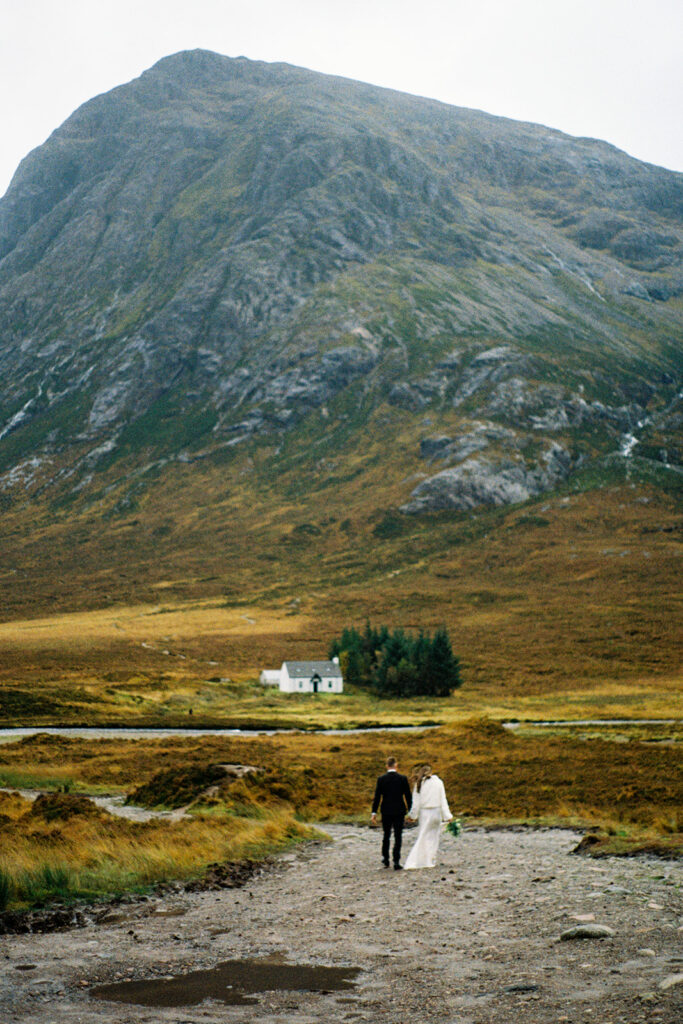
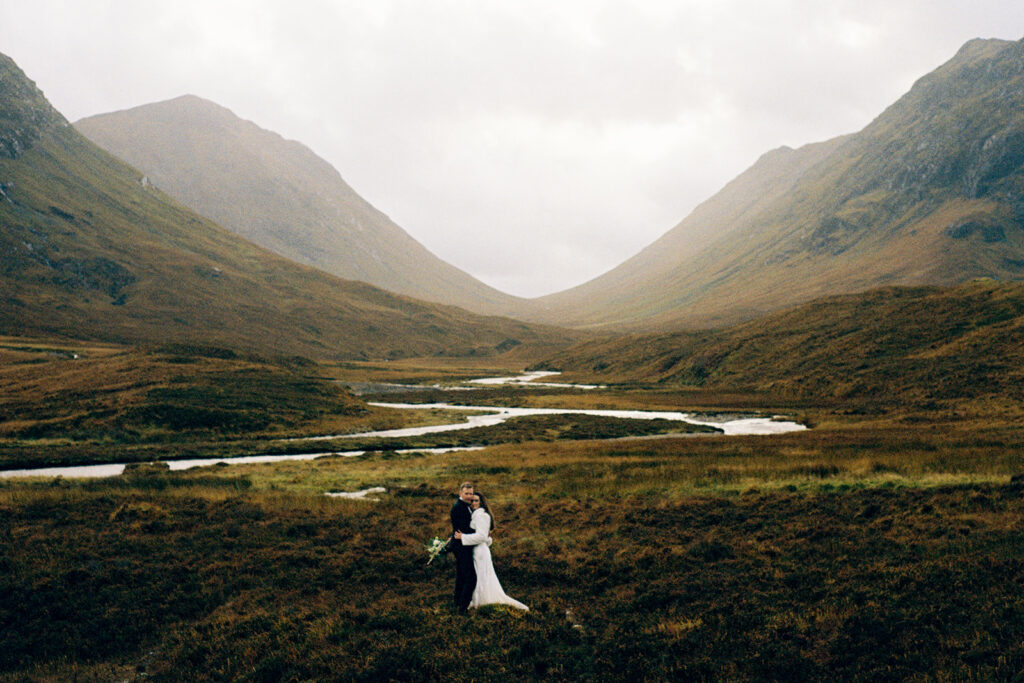
35MM FILM WEDDING PHOTOS
EVERYTHING YOU NEED TO KNOW ABOUT FILM PHOTOGRAPHY
The wedding photography side of your big day is one of the most crucial parts of your wedding – and wedding planning.
After all, it’s one of the very few elements that provide tangible artefacts that can be cherished for years to come. So it’s important you hire someone who understands your vision.
One of the many decisions you need to make when planning your wedding or elopement is whether to opt for film wedding photography or digital. I’m here to help you make that decision, which is why I’ve put together everything you need to know about film wedding photography.
WHAT IS 35MM FILM PHOTOGRAPHY?
Before the simplicity of digital photography became commonplace, 35mm film photography was the norm for over a century.
As the name suggests, this style of photography still requires film (meaning you’ll need access to a dark room or a photo lab) – 35mm of it, in fact. It allows the photographer to shoot using a small range of types (or filters, to the Instagram generation), such as black and white negative, colour negative, slide, and reversed film.
Once you’ve used up your film (which typically allows between 24 and 36 photographs), your shots will need to be developed in a dark room/photo lab (this can be at home – it doesn’t have to be a professional dark room!). Once developed, you have tangible prints in differing sizes and formats.
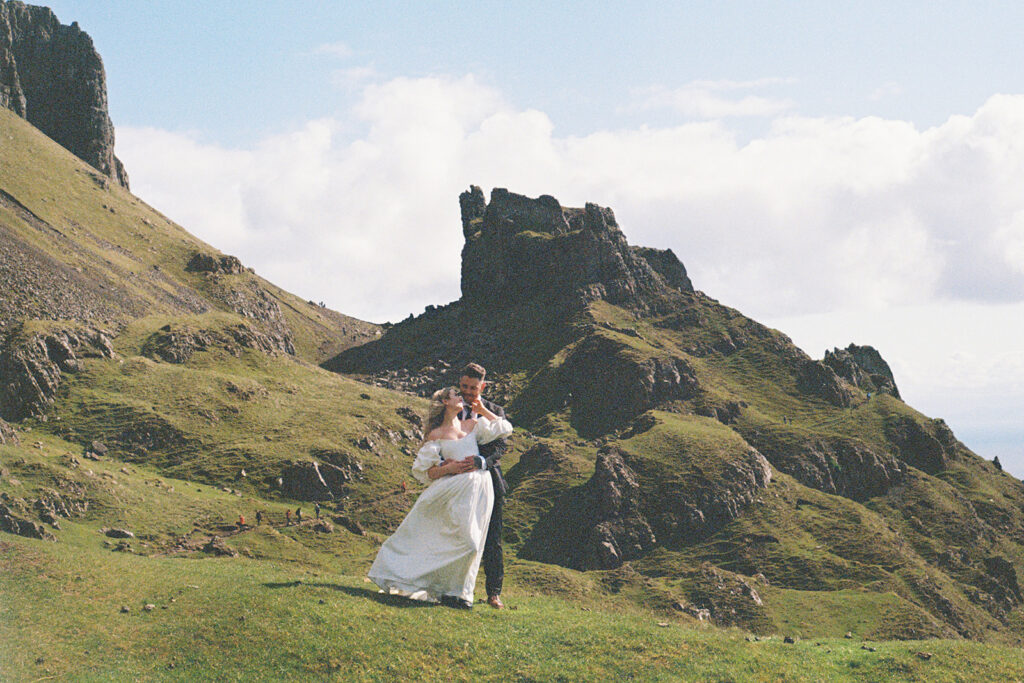
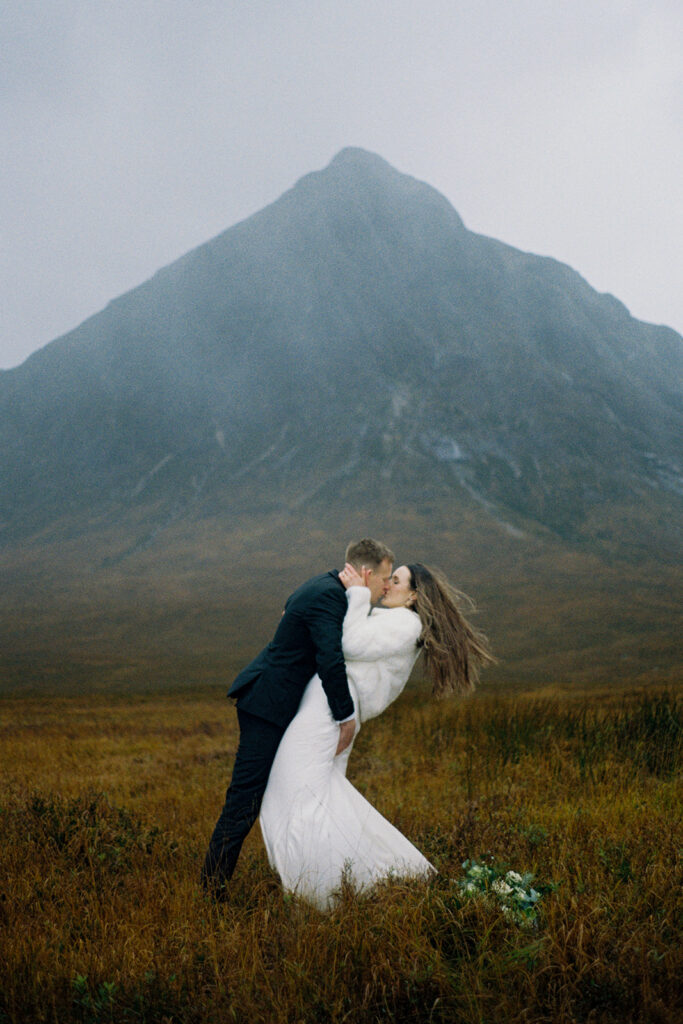
FILM VS DIGITAL WEDDING PHOTOGRAPHY
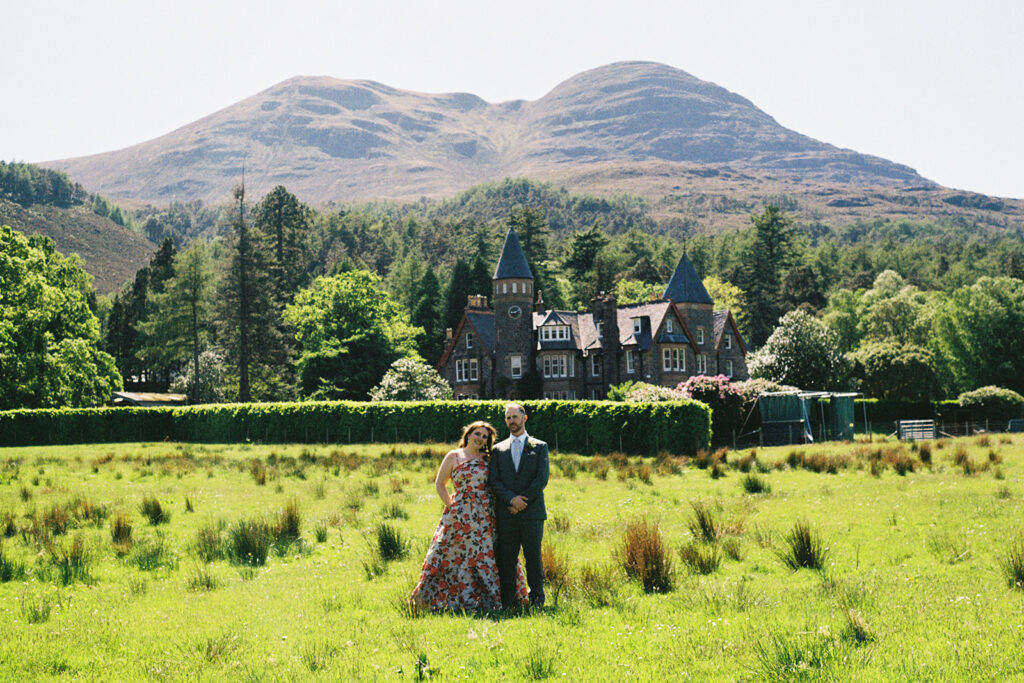
Pros of Film Wedding Photography
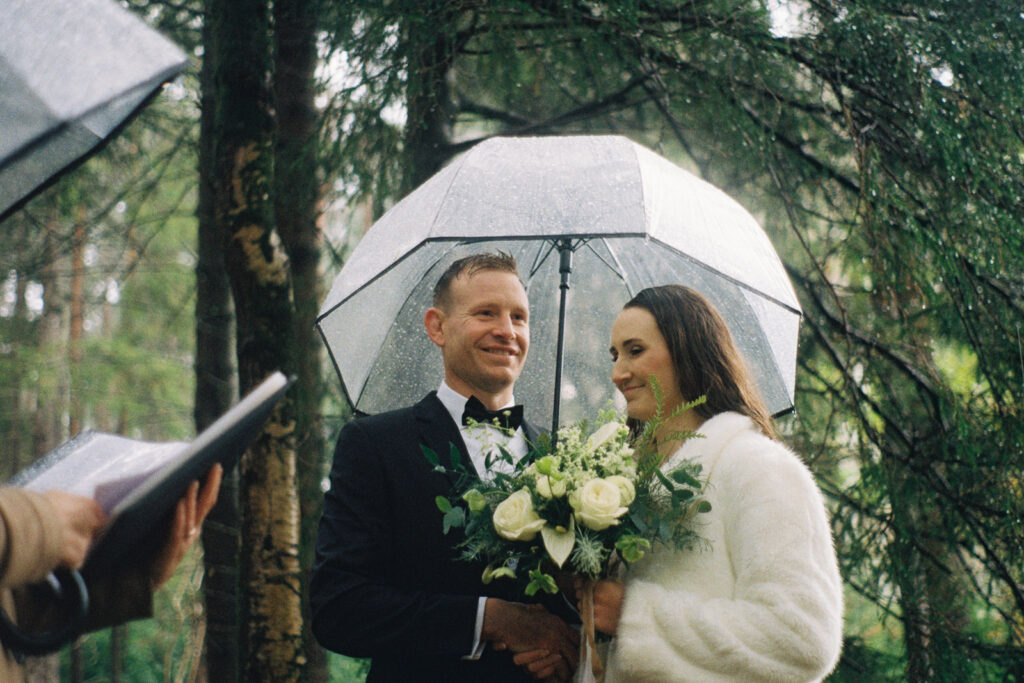
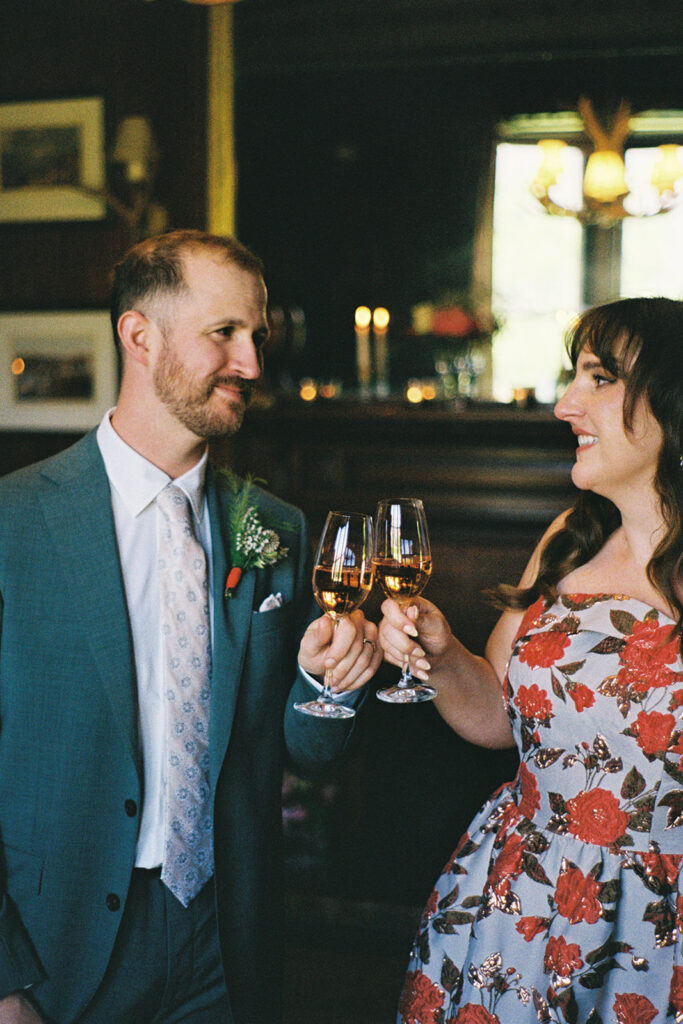
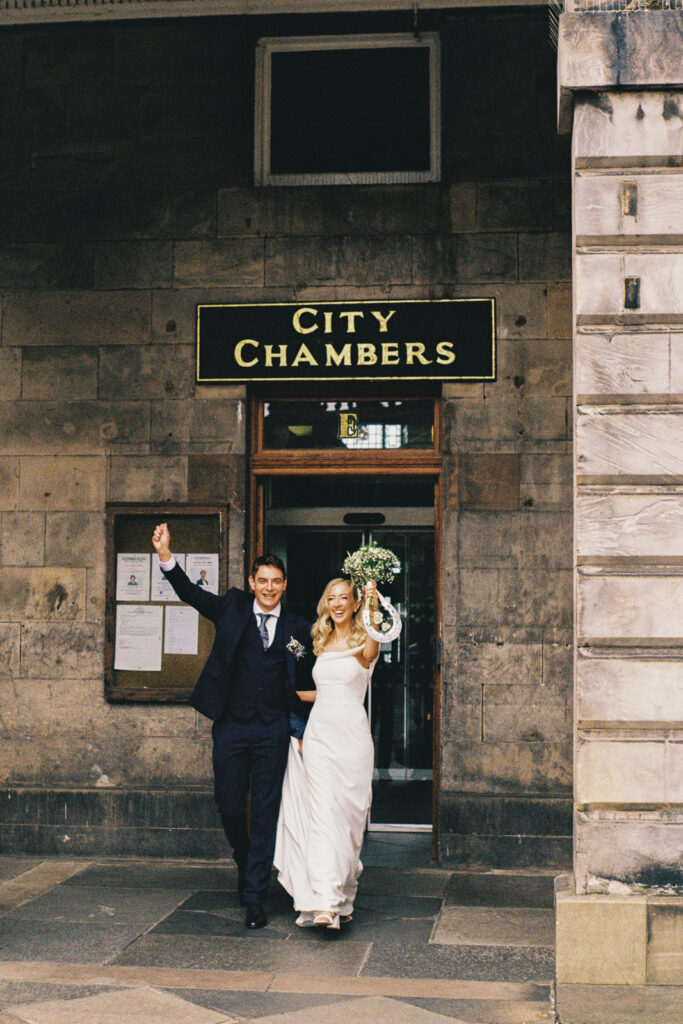
Even with all the bells and whistles of digital photography, it’s hard to beat the charm and old-school photojournalistic charm of film photography. It is known to be flattering and can produce especially magical results during outdoor weddings. Also, couples can have genuine traditional photos to hold, frame, and gift to others.
And, exposure issues are less noticeable with film photography, as film photography produces more natural and realistic results in terms of tone and lighting.
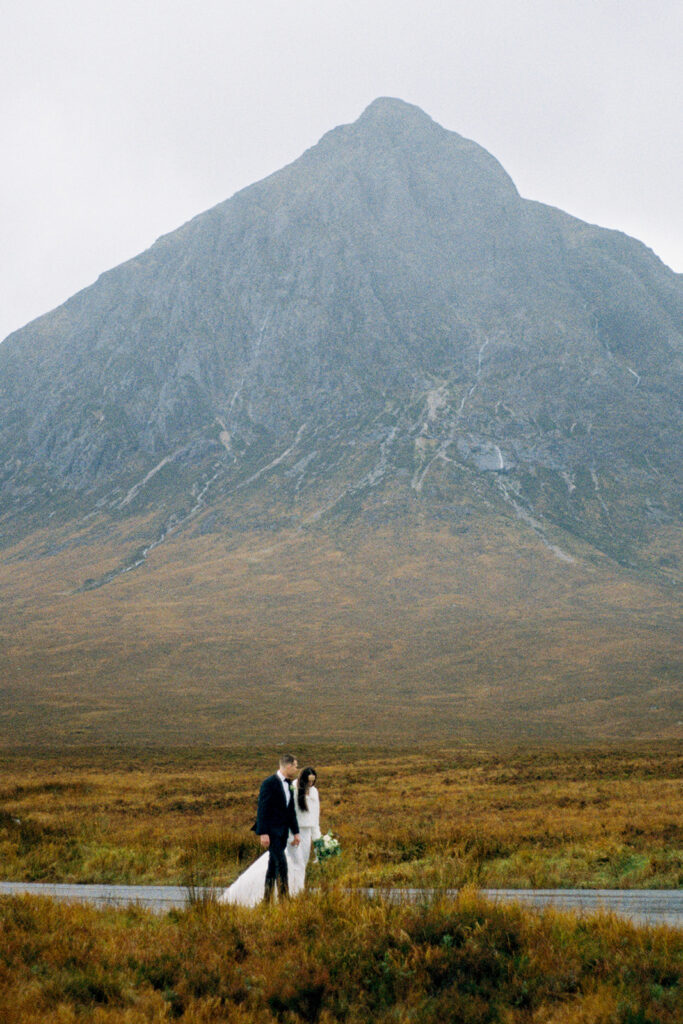
Cons of Film Wedding Photography
Limited photographs – you will typically receive fewer than 40 prints per roll, which can seem a little restricted in today’s digital world. Also, many modern couples like to post wedding photos on social media, which will mean having access to a scanner, which can be costly to buy and takes more time. Your photographer will likely provide digital versions of your shots, but it’s good to check as some may only send the negatives.
Moreover, couples will have to wait to see the results and hope that the photographer has produced some beauties! Not ideal for the ‘spontaneity’ element that a lot of couples and photographers like to use for wedding photography. And can be challenging for low-light venues/locations, which often means additional lighting equipment, which will be reflected in the cost of the photography package.
Lastly, there is limited leverage for post-production editing to smooth out any imperfections or tweak any undesirable results.
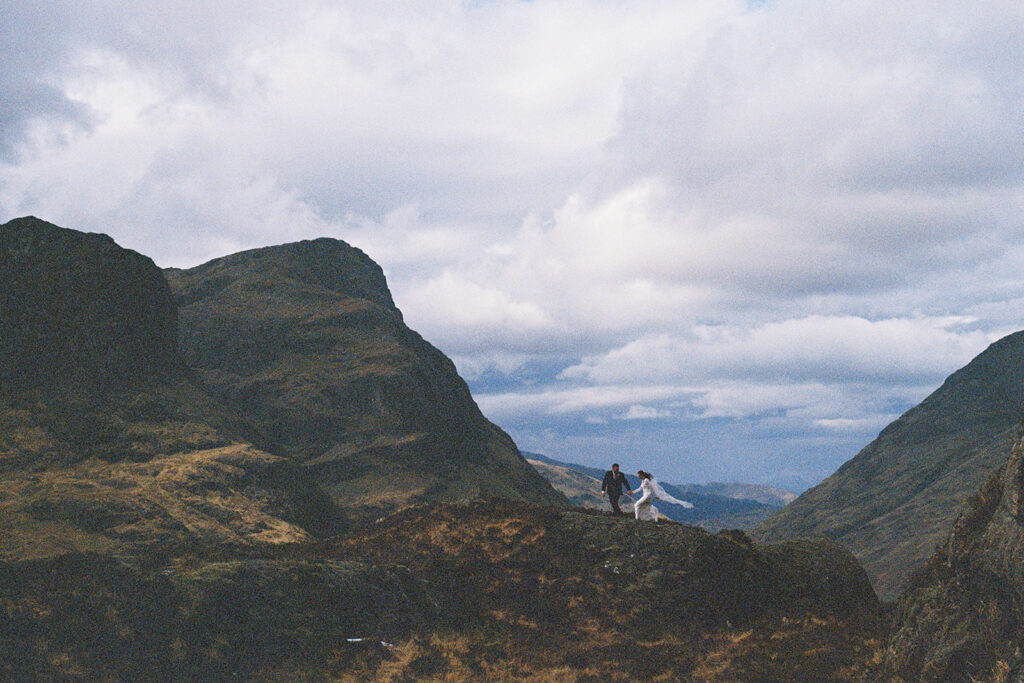
Pros of Digital Photography
The digital era is nothing if not convenient, providing instant feedback that the photographer (and couples) can see on the day, meaning quick and limitless retakes, if need be. No wasted shots, in other words. Digital photography relies on SD cards to hold images, which, depending on which ones you get, can hold hundreds of photos.
Digital photography allows for quicker access, and during post-production, many photographers will allow their couples one or two ‘teasers’ while they wait for the final results. Also, no dark room/print lab required as in contrast to film photography, and easy uploads to social media.
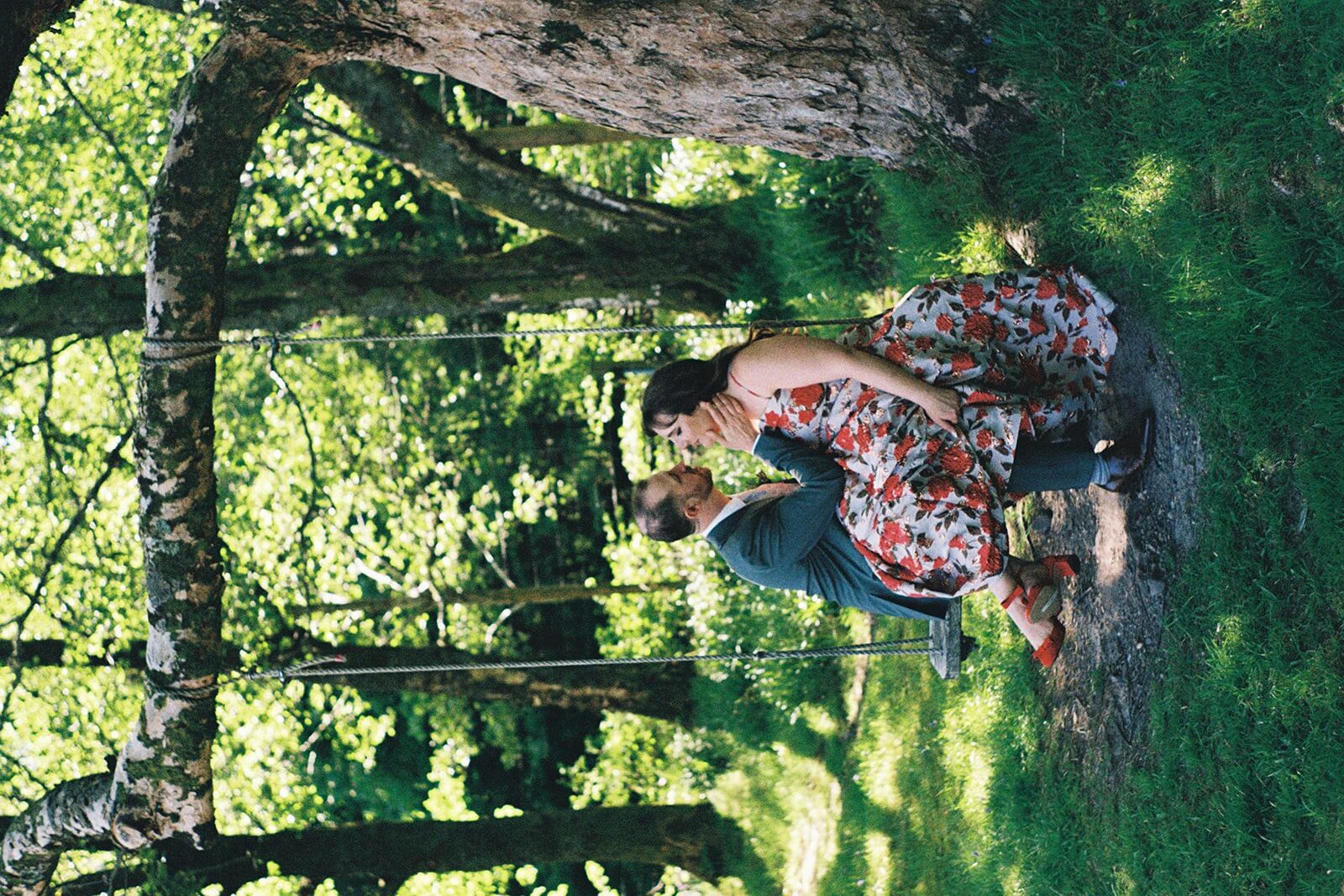
Film Wedding Photography Cost
Depending on the specific package you require, hiring a film photographer often start at around £150/roll and can stretch to as much as £500 + for a package of rolls. Because of this, and other aspects such as experience, travel, lighting equipment, and development time and costs, generally, it costs more to hire a film wedding photographer than a digital photographer.
Q&A
What is film wedding photography?
In layman’s terms, film wedding photography is the ‘old school’ way of doing things; it involves a traditional film camera (such as a 35mm or a medium format camera) as opposed to a modern digital camera.
Is film photography coming back?
While film photography never really went away and is often favoured by so many photographers for its authentic, traditional results and methods of processing, there has definitely been something of a resurrection, especially in the wedding photography industry.
As well as the nostalgic element, film photography provides more tangible results, as well as a grainy, rustic aesthetic, which many photographers (and couples) favour.